Weather plays a far greater role in industrial security than many organisations realise. In the UK, where conditions can change rapidly and unpredictably, weather directly affects visibility, access control, staff performance, and the reliability of security systems. Rain, fog, wind, frost, heatwaves, and storms all introduce vulnerabilities that must be actively managed.
Industrial sites often operate around the clock, contain high-value assets, and cover large perimeters. When weather conditions deteriorate, these sites can become significantly more exposed if security measures are not adapted accordingly.
Reduced Visibility and Detection
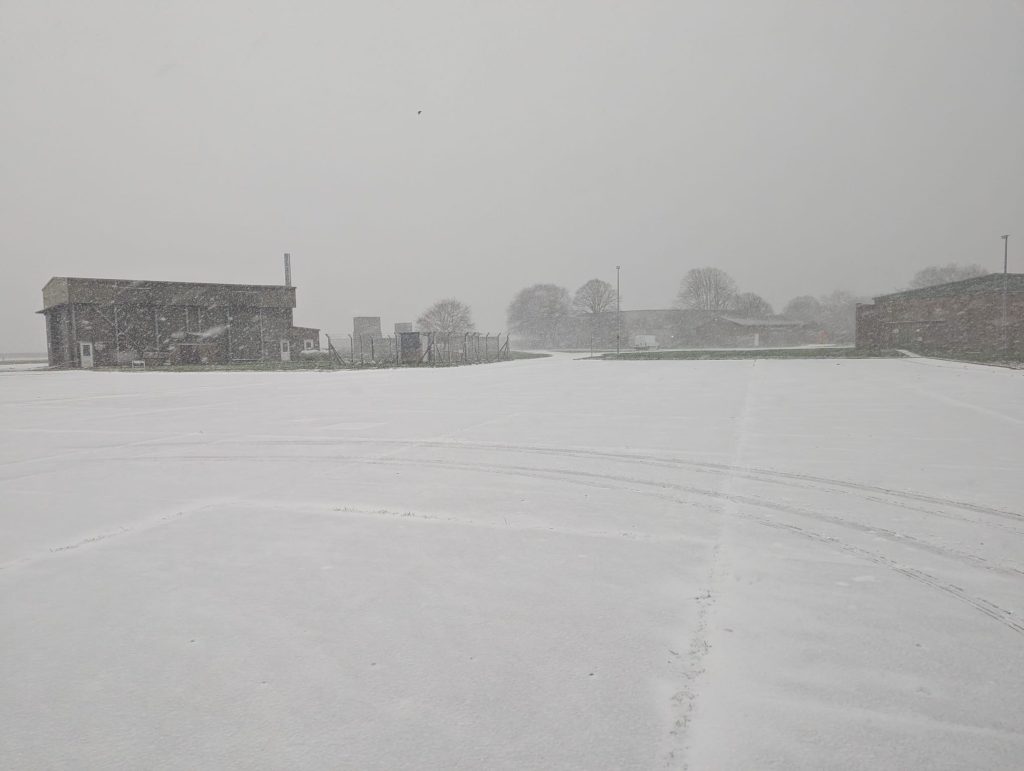
Poor visibility is one of the most immediate impacts of adverse weather. Fog, heavy rain, snow, and long winter nights reduce the effectiveness of traditional CCTV systems that rely on visible light. Shadows, glare, and moisture on lenses can all compromise image quality, making it harder to identify suspicious activity.
These conditions provide increased cover for intruders, particularly around perimeter fencing, loading bays, and poorly lit access points. Without appropriate detection measures, unauthorised access can go unnoticed until damage or disruption has already occurred.
Weather-resistant technologies and layered security approaches are essential to ensure detection remains effective regardless of conditions.
Increased Pressure on Physical Barriers
Weather places constant strain on physical security infrastructure. High winds can damage fencing, gates, and signage. Heavy rain can cause ground erosion, creating gaps beneath fences. Freezing temperatures may affect locks, hinges, and electronic access systems, while prolonged heat can warp materials and weaken fixings.
If routine inspections are delayed due to weather or staffing pressures, small issues can quickly become exploitable weaknesses. Industrial sites with large boundaries are particularly vulnerable if maintenance is reactive rather than preventative.
Regular perimeter checks and prompt repairs are critical, especially following severe weather events.
Impact on Security Personnel
Weather does not just affect sites, it affects people. Security officers working outdoors in cold, wet, or windy conditions experience increased fatigue and discomfort. In extreme heat, concentration and reaction times can also decline.
If working conditions are not managed properly, motivation and alertness can suffer, increasing the risk of missed incidents or delayed responses. Poor weather can also discourage thorough patrols if routes are uncomfortable or unsafe to complete.
Supporting officers with appropriate equipment, clear patrol structures, and realistic workloads is essential to maintaining standards in challenging conditions.
Changes in Behaviour and Risk Patterns
Weather influences behaviour, both legitimate and malicious. Poor weather often reduces foot traffic around industrial estates, lowering natural surveillance and increasing opportunities for unauthorised activity. Extended darkness during winter months creates longer periods of cover for intruders.
Conversely, extreme weather can also create disruption inside sites. Delayed deliveries, altered shift patterns, or temporary shutdowns may leave areas unattended or operating differently than usual. These changes can create new security gaps if not properly assessed.
Understanding how weather alters risk patterns allows security strategies to be adjusted proactively rather than reactively.
Technology Performance and Reliability
Electronic security systems are not immune to weather. Moisture can interfere with sensors, temperature extremes can affect battery life, and storms can disrupt power or connectivity. Systems that are not properly maintained or monitored may fail at the moment they are needed most.
Relying solely on technology without physical verification increases vulnerability. Systems must be supported by trained personnel who can assess alerts, confirm threats, and respond appropriately.
Integrating technologies such as thermal imaging, which detects heat rather than relying on visible light, can significantly improve reliability during poor weather and low visibility.
The Importance of Layered Security
The most resilient industrial security strategies account for weather by using a layered approach. Physical barriers, active patrols, detection technology, and clear response procedures work together to compensate for the weaknesses introduced by environmental conditions.
For example, when visibility is reduced, patrol frequency may need to increase. When weather damages infrastructure, temporary measures may be required until repairs are completed. When systems are affected, human oversight becomes even more important.
Layered security ensures that no single failure, whether caused by weather or otherwise, compromises the entire site.
Planning for Seasonal and Severe Weather
In the UK, seasonal weather patterns are predictable even if daily conditions are not. Winter brings longer nights, frost, and storms, while summer increasingly brings heatwaves and sudden heavy rainfall. Planning security strategies around these patterns reduces risk throughout the year.
Severe weather events should also trigger immediate post-event inspections and reassessments. Storm damage, flooding, or prolonged outages often create hidden vulnerabilities that are easy to miss under operational pressure.
Preparedness, rather than reaction, is key to maintaining control.
Adapting Security to the Environment
Weather is an unavoidable factor in industrial security, but its impact can be managed with the right approach. Sites that adapt their security measures to environmental conditions are far more resilient than those that rely on static solutions.
By recognising how weather affects visibility, infrastructure, personnel, and technology, organisations can take proactive steps to reduce risk and maintain effective protection throughout the year.
Industrial security in the UK must be flexible, responsive, and built with environmental realities in mind. When security strategies evolve alongside the weather, sites remain protected regardless of conditions.