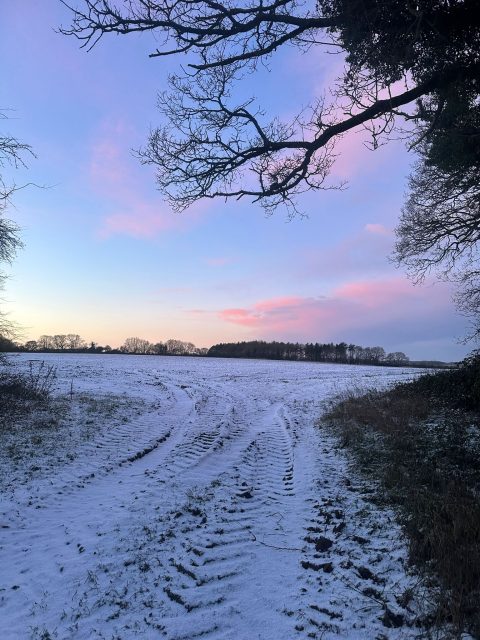
How Weather Impacts Industrial Security in the UK

Weather plays a far greater role in industrial security than many organisations realise. In the UK, where conditions can change rapidly and unpredictably, weather directly affects visibility, access control, staff performance, and the reliability of security systems. Rain, fog, wind, frost, heatwaves, and storms all introduce vulnerabilities that must be actively managed.

Industrial sites often operate around the clock, contain high-value assets, and cover large perimeters. When weather conditions deteriorate, these sites can become significantly more exposed if security measures are not adapted accordingly.

Reduced Visibility and Detection

Poor visibility is one of the most immediate impacts of adverse weather. Fog, heavy rain, snow, and long winter nights reduce the effectiveness of traditional CCTV systems that rely on visible light. Shadows, glare, and moisture on lenses can all compromise image quality, making it harder to identify suspicious activity.

These conditions provide increased cover for intruders, particularly around perimeter fencing, loading bays, and poorly lit access points. Without appropriate detection measures, unauthorised access can go unnoticed until damage or disruption has already occurred.

Weather-resistant technologies and layered security approaches are essential to ensure detection remains effective regardless of conditions.

Increased Pressure on Physical Barriers

Weather places constant strain on physical security infrastructure. High winds can damage fencing, gates, and signage. Heavy rain can cause ground erosion, creating gaps beneath fences. Freezing temperatures may affect locks, hinges, and electronic access systems, while prolonged heat can warp materials and weaken fixings.

If routine inspections are delayed due to weather or staffing pressures, small issues can quickly become exploitable weaknesses. Industrial sites with large boundaries are particularly vulnerable if maintenance is reactive rather than preventative.

Regular perimeter checks and prompt repairs are critical, especially following severe weather events.

Impact on Security Personnel

Weather does not just affect sites, it affects people. Security officers working outdoors in cold, wet, or windy conditions experience increased fatigue and discomfort. In extreme heat, concentration and reaction times can also decline.

If working conditions are not managed properly, motivation and alertness can suffer, increasing the risk of missed incidents or delayed responses. Poor weather can also discourage thorough patrols if routes are uncomfortable or unsafe to complete.

Supporting officers with appropriate equipment, clear patrol structures, and realistic workloads is essential to maintaining standards in challenging conditions.

Changes in Behaviour and Risk Patterns

Weather influences behaviour, both legitimate and malicious. Poor weather often reduces foot traffic around industrial estates, lowering natural surveillance and increasing opportunities for unauthorised activity. Extended darkness during winter months creates longer periods of cover for intruders.

Conversely, extreme weather can also create disruption inside sites. Delayed deliveries, altered shift patterns, or temporary shutdowns may leave areas unattended or operating differently than usual. These changes can create new security gaps if not properly assessed.

Understanding how weather alters risk patterns allows security strategies to be adjusted proactively rather than reactively.

Technology Performance and Reliability

Electronic security systems are not immune to weather. Moisture can interfere with sensors, temperature extremes can affect battery life, and storms can disrupt power or connectivity. Systems that are not properly maintained or monitored may fail at the moment they are needed most.

Relying solely on technology without physical verification increases vulnerability. Systems must be supported by trained personnel who can assess alerts, confirm threats, and respond appropriately.

Integrating technologies such as thermal imaging, which detects heat rather than relying on visible light, can significantly improve reliability during poor weather and low visibility.

The Importance of Layered Security

The most resilient industrial security strategies account for weather by using a layered approach. Physical barriers, active patrols, detection technology, and clear response procedures work together to compensate for the weaknesses introduced by environmental conditions.

For example, when visibility is reduced, patrol frequency may need to increase. When weather damages infrastructure, temporary measures may be required until repairs are completed. When systems are affected, human oversight becomes even more important.

Layered security ensures that no single failure, whether caused by weather or otherwise, compromises the entire site.

Planning for Seasonal and Severe Weather

In the UK, seasonal weather patterns are predictable even if daily conditions are not. Winter brings longer nights, frost, and storms, while summer increasingly brings heatwaves and sudden heavy rainfall. Planning security strategies around these patterns reduces risk throughout the year.

Severe weather events should also trigger immediate post-event inspections and reassessments. Storm damage, flooding, or prolonged outages often create hidden vulnerabilities that are easy to miss under operational pressure.

Preparedness, rather than reaction, is key to maintaining control.

Adapting Security to the Environment

Weather is an unavoidable factor in industrial security, but its impact can be managed with the right approach. Sites that adapt their security measures to environmental conditions are far more resilient than those that rely on static solutions.

By recognising how weather affects visibility, infrastructure, personnel, and technology, organisations can take proactive steps to reduce risk and maintain effective protection throughout the year.

Industrial security in the UK must be flexible, responsive, and built with environmental realities in mind. When security strategies evolve alongside the weather, sites remain protected regardless of conditions.

Winter Staffing, Keeping Your Team Motivated

Winter is one of the most challenging periods of the year for staffing across many industries. Shorter days, colder weather, increased fatigue, and seasonal pressures all combine to affect morale, performance, and attendance. For businesses that rely on consistent staffing, particularly in security, logistics, industrial operations, and customer-facing roles, winter can quietly erode standards if motivation is not actively managed.

While winter staffing challenges are often accepted as inevitable, they do not have to be. Organisations that take a proactive approach to motivation, communication, and support are far more likely to maintain performance, reduce absenteeism, and retain experienced staff throughout the most demanding months of the year.

Why Winter Impacts Motivation

Winter places both physical and mental strain on employees. Dark mornings and early nights disrupt routines and energy levels. Cold conditions make outdoor or mobile work more demanding. Illness rates tend to rise, and workloads can increase as teams cover absences or operate with reduced staffing.

At the same time, motivation can suffer when employees feel disconnected, underappreciated, or overstretched. In many organisations, winter is treated as a period to get through rather than one to manage strategically. This mindset often leads to disengagement, higher error rates, and increased staff turnover.

Consistency and Structure Matter More in Winter

During the winter months, consistency becomes critical. Clear schedules, predictable routines, and well-defined responsibilities help employees manage fatigue and maintain focus. When expectations are unclear or constantly changing, stress levels increase and motivation declines.

Providing structure does not mean inflexibility. Where possible, allowing small adjustments to shift patterns, break times, or task rotation can make a significant difference. Even modest flexibility signals that an organisation understands the realities of winter working conditions.

Visibility and Leadership Presence

Motivation is strongly influenced by leadership visibility. In winter, when morale can dip, it is especially important that managers remain present, engaged, and approachable. Regular check-ins, whether formal or informal, help identify issues early and prevent small problems from becoming larger ones.

Employees are more likely to remain motivated when they feel supported rather than supervised. Taking the time to ask how teams are coping, acknowledging difficult conditions, and responding constructively to concerns reinforces trust and commitment.

Training as a Motivational Tool

Winter is often seen as a slow or difficult period, but it can also be an ideal time for development. Training provides a sense of progression and purpose, particularly when workloads fluctuate. Employees who are learning new skills or refreshing existing ones are more engaged and confident in their roles.

Ongoing training also reinforces standards at a time when complacency can creep in. Refresher sessions, scenario-based training, or short development workshops help maintain focus and professionalism, even during demanding conditions.

This is one of the reasons Norvic Guards is in the process of launching its own dedicated training centre. By providing structured, practical training throughout the year, including the winter months, we aim to support both motivation and performance. Training is not just about competence, it is about demonstrating to teams that their development is valued, regardless of the season.

Recognition and Communication

Recognition plays a vital role in motivation, particularly during periods of increased strain. Winter work often involves longer hours in difficult conditions, and those efforts should not go unnoticed. Recognition does not need to be elaborate. Clear feedback, appreciation for reliability, and acknowledgement of effort all contribute to stronger morale.

Communication is equally important. Keeping teams informed about plans, expectations, and upcoming changes reduces uncertainty and builds confidence. When employees understand how their work contributes to wider organisational goals, they are more likely to remain engaged.

Wellbeing and Practical Support

Supporting wellbeing during winter goes beyond formal policies. Practical considerations, such as appropriate clothing, access to warm facilities, and realistic workloads, have a direct impact on motivation. Addressing these factors demonstrates respect for employees and an understanding of the conditions they face.

Encouraging adequate rest, managing overtime responsibly, and promoting a healthy work-life balance are also essential. Burnout is more likely when winter pressures are combined with excessive workloads and limited recovery time.

Retention Through the Tough Months

One of the biggest risks during winter is losing experienced staff. When motivation drops, employees may begin to look elsewhere, particularly if they feel unsupported. Retaining skilled personnel through winter saves significant recruitment and onboarding costs later in the year.

Businesses that invest in their teams during winter often see improved loyalty and performance when conditions improve. Staff remember how they were treated during the most challenging periods.

Looking Beyond Winter

Winter does not have to be a period of decline. With the right approach, it can be a time to reinforce standards, strengthen teams, and prepare for the year ahead. Motivation is not accidental, it is the result of leadership, communication, and investment in people.

By prioritising support, training, and recognition during winter, organisations can maintain momentum and emerge stronger as conditions improve. Keeping your team motivated through winter is not just about surviving the season, it is about building resilience for the future.

Case Study: How Professional Patrols Reduced Risk and Prevented Serious Security Failures

Manned Guarding

This case study outlines how ineffective security practices at an industrial site created significant risk, and how the introduction of professional patrols, accountability measures, and layered security dramatically improved safety and reduced long-term costs. For confidentiality reasons, the client and site location remain undisclosed.

Background

The site in question was a large industrial facility operating across a wide perimeter, with valuable assets, sensitive operations, and restricted areas requiring controlled access. Security coverage was in place, but it had been implemented primarily as a cost-saving measure rather than as a risk management strategy.

The existing security provision focused on maintaining a visible presence at minimal cost. Patrols were infrequent, accountability was limited, and there was little active monitoring beyond basic CCTV coverage. While this approach appeared cost-effective on paper, it failed to address real operational risks.

The Security Failures Identified

Following a security review, several serious issues were identified with the previous security arrangement:

  • Security officers were regularly falling asleep while on duty

  • Patrols were not being carried out as scheduled or at all

  • Broken fencing and perimeter damage were repeatedly ignored

  • No verification system existed to confirm patrols had taken place

  • CCTV was passively monitored, with no real-time response capability

As a result of these failures, a group was able to gain unauthorised access to the site without detection. They exploited damaged fencing and the lack of active patrols to enter the industrial yard unnoticed.

Once inside the site, covert surveillance equipment, including cameras and listening devices, was planted. This activity went undetected for a period of time, significantly increasing the risk to the business. When discovered, it became clear that the incident had gone far beyond trespass or theft. The presence of covert monitoring devices exposed the company to operational, commercial, and reputational risk.

At this stage, the perceived “savings” made by reducing security costs were eclipsed by the seriousness of the breach.

The Risk Assessment

Following the incident, a full security assessment was conducted. The findings were clear: the issue was not a lack of security on paper, but a lack of effective security in practice.

The key weaknesses identified were:

  • No accountability for patrol activity

  • No deterrence beyond static presence

  • No early detection capability

  • No layered security approach

  • No verification that officers were alert and active

The site required a complete restructuring of its security operations, focused on prevention, verification, and real-time awareness.

The Professional Patrol Solution

A new patrol strategy was implemented with an emphasis on accountability, visibility, and early detection. The objective was not simply to increase coverage, but to ensure that security activity could be verified and acted upon.

Key measures introduced included:

Verified Patrol Points
Strategically placed scan points were installed across the industrial yard and perimeter. Officers were required to physically attend and scan each point during patrols, ensuring that routes were completed correctly and on schedule. This removed the possibility of “paper patrols” or officers remaining stationary.

Thermal Imaging Technology
Thermal cameras were deployed to detect heat signatures rather than relying on visible light. This allowed security teams to identify individuals hiding in darkness, foliage, or poor visibility conditions, including those attempting to avoid detection by waiting for patrols to pass.

Canine Patrol Units
Canine units were introduced to support patrols across the site. Dogs provided enhanced detection capability, deterrence, and rapid area coverage, particularly along perimeter lines and vulnerable access points.

Live CCTV Monitoring
CCTV systems were integrated with mobile devices, allowing patrol officers and supervisors to receive real-time alerts. If a patrol passed an area and movement was detected shortly afterwards, officers were immediately notified. This eliminated blind spots where individuals could wait for patrols to move on before emerging.

Clear Response and Reporting Procedures
All patrol activity, alerts, and incidents were logged and reported consistently. This created accountability, audit trails, and clear evidence of security activity.

Results and Outcomes

Following the introduction of the new security strategy, the site experienced immediate and measurable improvements:

  • No further unauthorised access incidents

  • No repeat perimeter breaches

  • Early detection of suspicious behaviour

  • Increased deterrence due to visible, active patrols

  • Improved confidence among site management

Most importantly, the risk of covert activity was eliminated. The layered approach ensured that no single failure could compromise the site.

Cost vs Value

While the professional patrol solution represented a higher upfront cost than the previous arrangement, it removed the hidden costs associated with ineffective security. The business gained predictability, reduced exposure to serious risk, and avoided the potentially catastrophic consequences of another breach.

The lesson was clear: security that looks cheaper is often the most expensive option of all.

Conclusion

This case study demonstrates that professional patrols are not simply about presence, but about performance. Accountability, technology, and trained personnel working together transform security from a passive cost into an active risk management function.

By replacing ineffective coverage with verified patrols, thermal imaging, canine units, and real-time monitoring, the site achieved meaningful cost reduction through risk prevention rather than reaction.

Cutting corners on security does not reduce risk — it creates it.

Training: Your First Investment of 2026

As businesses enter 2026, many focus immediately on budgets, targets, and operational efficiency. January often becomes a month of planning rather than action. Yet one of the most valuable investments organisations can make at the very start of the year is frequently overlooked: employee training.

Training is often viewed as an expense, something to be delayed or reduced when budgets are tight. In reality, training is one of the most effective long-term investments a business can make. It directly influences productivity, safety, retention, and overall performance across the organisation.

Why Training Matters More Than Ever

Workplaces are changing rapidly. Expectations around professionalism, compliance, and performance continue to increase, while risks associated with poor decision-making, human error, and inadequate procedures are higher than ever. Well-trained employees are better equipped to adapt, respond, and perform consistently under pressure.

Research and industry data consistently show that effective training delivers measurable results. Businesses that invest in structured training programmes often experience increased productivity, fewer operational errors, improved safety records, and stronger employee engagement. Training also plays a significant role in reducing staff turnover, as employees are more likely to remain with organisations that invest in their development.

The Cost of Skipping Training

While training requires time and resources, the cost of skipping it is far greater. Untrained or undertrained employees tend to work more slowly, make avoidable mistakes, and require greater supervision. Errors lead to rework, delays, customer dissatisfaction, and in some cases regulatory or legal consequences.

In safety-critical environments, inadequate training can result in incidents that affect people, assets, and reputation. In customer-facing roles, poor training leads to inconsistent service and damaged trust. Over time, these issues erode performance and increase costs far beyond what proper training would have required.

High employee turnover is another hidden cost. Staff who feel unsupported or unprepared are more likely to leave, increasing recruitment and onboarding expenses. Training improves confidence and competence, which in turn improves retention.

January: The Ideal Time to Invest

January presents a unique opportunity to invest in training. New budgets are in place, teams are motivated by fresh starts, and there is a full year ahead to benefit from improved skills and performance. Training early in the year allows organisations to build momentum, set clear standards, and embed best practice from the outset.

Rather than reacting to problems later in the year, proactive training helps prevent them. It establishes expectations, reinforces procedures, and ensures that employees are aligned with organisational goals.

Training as a Competitive Advantage

Businesses that prioritise training consistently outperform those that do not. Skilled, confident employees deliver better service, operate more efficiently, and contribute to a stronger workplace culture. Training also supports regulatory compliance, ensuring that organisations meet legal and industry standards.

In competitive markets, training becomes a differentiator. Clients, partners, and stakeholders are more confident working with organisations that demonstrate professionalism and competence at every level.

Our Commitment to Training Excellence

Recognising the growing need for high-quality, practical training, Norvic Guards is in the process of establishing its own dedicated training centre. This development reflects our belief that training should be accessible, relevant, and grounded in real-world experience.

The training centre will focus on equipping individuals and organisations with the skills they need to operate safely, confidently, and professionally. Courses will be designed to meet current industry requirements while also addressing the practical challenges faced in operational environments.

By delivering training directly, we aim to maintain high standards, ensure consistency, and provide learning that translates into improved performance on the ground. Our approach to training mirrors our approach to security: professional, accountable, and focused on real outcomes rather than box-ticking.

Investing in People, Investing in the Future

Training is not a one-off activity. It is an ongoing investment in people, performance, and resilience. Organisations that commit to training demonstrate that they value their teams and take their responsibilities seriously.

As 2026 begins, businesses have an opportunity to set the tone for the year ahead. Investing in training now creates stronger foundations, reduces risk, and positions organisations for sustainable success.

Training is not an expense to be delayed. It is a strategic investment that delivers returns throughout the year and beyond.

The ROI of Well-Trained Security Officers

When organisations assess security costs, the conversation often centres on hourly rates, coverage hours, and short-term budgets. Training is sometimes viewed as an added expense rather than a core requirement. In reality, the quality of training behind a security officer has a direct and measurable impact on return on investment (ROI).

Well-trained security officers do more than stand guard. They prevent incidents, reduce risk, improve operational efficiency, and protect an organisation’s reputation. Over time, these benefits consistently outweigh the initial cost of training.

Prevention Costs Less Than Response

The most valuable contribution a trained security officer makes is incident prevention. Identifying suspicious behaviour early, challenging unauthorised access correctly, and intervening before situations escalate all reduce the likelihood of damage, disruption, or injury.

When incidents are prevented, organisations avoid costs associated with repairs, downtime, investigations, and insurance claims. A single prevented incident can often justify months of investment in training. In contrast, poorly trained officers are more likely to miss early warning signs or respond incorrectly, increasing the risk of escalation and associated costs.

Improved Decision-Making Under Pressure

Security incidents rarely follow a script. They require rapid judgement, calm communication, and situational awareness. Training equips officers with the ability to assess risk, prioritise actions, and choose appropriate responses under pressure.

Well-trained officers understand when to observe, when to intervene, and when to escalate. This reduces unnecessary confrontations, limits liability, and ensures that responses are proportionate and legally defensible. From a business perspective, fewer errors mean fewer complaints, claims, or reputational issues.

Reduced Liability and Legal Exposure

Security incidents often involve legal scrutiny. Whether dealing with trespass, theft, crowd management, or conflict, the actions of security personnel may be reviewed by insurers, regulators, or legal teams.

Officers who are trained in correct procedures, use of force principles, and accurate reporting significantly reduce an organisation’s exposure to liability. Clear, professional incident reports supported by evidence help demonstrate that reasonable and appropriate measures were taken. This level of professionalism protects businesses long after an incident has ended.

Operational Efficiency and Consistency

Trained security officers operate more efficiently. They understand site layouts, access control systems, emergency procedures, and reporting requirements. This reduces confusion, improves response times, and ensures consistent coverage across shifts.

Consistency matters for organisations operating multiple sites or hosting regular events. A well-trained team delivers predictable, reliable performance, allowing management to focus on core operations rather than managing security issues.

Better Use of Technology and Resources

Modern security relies on a combination of people and technology. CCTV, access control, thermal imaging, and alarm systems are only effective when officers know how to use them properly.

Training ensures that officers can interpret information accurately, distinguish genuine threats from false alarms, and respond appropriately. This maximises the value of existing security investments and reduces wasted resources caused by unnecessary call-outs or missed detections.

Lower Staff Turnover and Recruitment Costs

Investing in training also delivers internal ROI. Officers who receive proper training are more confident, engaged, and likely to remain in their roles. Lower staff turnover reduces recruitment, onboarding, and retraining costs.

A stable security team builds familiarity with sites, clients, and procedures. This continuity improves performance over time and reduces the risks associated with constant staff changes.

Enhanced Reputation and Client Confidence

Security officers are often the first and last people visitors, staff, or clients encounter. Their professionalism directly reflects on the organisation they are protecting. Trained officers communicate clearly, act confidently, and handle situations discreetly, reinforcing a positive image.

For organisations operating in public-facing or high-value environments, this professionalism builds trust with stakeholders. A strong security presence signals that safety and responsibility are taken seriously.

Measuring ROI Beyond the Balance Sheet

The return on investment from well-trained security officers extends beyond direct financial savings. It includes reduced risk, improved safety, operational resilience, and reputational protection. These benefits may not always appear as line items, but they have a significant impact on long-term performance.

Security failures are often judged not on intent, but on preparation. Training is a visible demonstration of due diligence and responsibility.

Training as a Strategic Investment

Organisations that view security training as a strategic investment rather than a cost consistently achieve better outcomes. Well-trained officers prevent incidents, manage risk effectively, and contribute to safer, more resilient operations.

When measured over time, the ROI of well-trained security officers is clear: fewer incidents, lower liability, improved efficiency, and stronger confidence across the organisation. Training does not increase costs—it reduces them where it matters most.

Activism, Risk, and Why Cutting Security Costs Always Backfires

In today’s operating environment, activism activity is no longer something only large corporations or controversial industries need to consider. It has become more organised, more mobile, and more opportunistic. Businesses of all sizes, industrial sites, logistics hubs, offices, events, and commercial premises, can find themselves affected with very little warning.

Modern activist groups are highly adaptable. They communicate quickly, share intelligence, and are often well prepared before taking action. This means that even organisations that believe they are low-profile or unlikely to attract attention can suddenly find themselves dealing with disruption, trespass, or reputational damage.

One of the most common mistakes organisations make when it comes to activist risk is assuming that security can be scaled back to save money, at least “until something happens”. Unfortunately, when it comes to activism, that approach almost always backfires. Activist activity does not wait for a convenient moment, and by the time an incident occurs, it is usually too late to address the weaknesses that allowed it to happen.

Activist Groups Look for Weakness, Not Size

Activist activity rarely starts with confrontation. It starts with observation. Groups assess sites over time, looking for predictable routines, limited staffing, weak access control, or minimal monitoring. They are far more likely to target a location that appears under-protected than one that is visibly well managed and professionally secured.

This is where cost-cutting becomes dangerous. Reducing guard numbers, limiting patrols, or relying solely on unmonitored systems creates gaps that are easy to exploit. These gaps may not be obvious internally, but to an external observer, they stand out quickly.

Once a site is identified as vulnerable, it can become a repeat target. Activist groups often share information, meaning a single weakness can attract ongoing attention rather than a one-off incident. What starts as a minor disruption can escalate into repeated activity if corrective action is not taken.

The Real Cost Is Never the Security Budget

When businesses try to save money by cutting security costs, the focus is usually on hourly rates or short-term budget reductions. What is often overlooked is the true cost of an incident once it occurs.

Activist disruptions can result in operational downtime, damage to property or infrastructure, safety risks to staff, contractors, and the public, and reputational damage that far outlasts the incident itself. In many cases, there are also increased insurance premiums, legal costs, or additional compliance scrutiny following an event.

At that stage, the conversation is no longer about saving money. It becomes about recovery, containment, and explaining to stakeholders why preventative measures were not in place. These costs are rarely planned for and almost always exceed what would have been spent on maintaining proper security in the first place.

Why Professional Security Makes a Difference

Effective security is not just about having a uniform on site. It is about planning, training, situational awareness, and the ability to respond appropriately under pressure.

Professional security teams understand how to identify early warning signs of activist activity, manage access points and control movement, and de-escalate situations before they become confrontational. They prioritise the safety of people first, assets second, and ensure that incidents are documented accurately for legal, insurance, and investigative purposes.

This level of capability does not come from cutting corners. It comes from investing in properly trained personnel, clear procedures, and layered security measures that work together. When security teams are trained and supported correctly, they are far more effective at preventing incidents rather than simply reacting to them.

Visibility Is a Deterrent

One of the most effective ways to reduce activist risk is visible, competent security. When a site clearly demonstrates that it is monitored, controlled, and professionally managed, it becomes far less attractive as a target.

Activist groups tend to avoid locations where access is controlled and enforced, security staff are alert and confident, monitoring is active rather than passive, and response plans are clearly in place and understood. In many cases, the presence of strong security is enough to prevent an incident from ever occurring.

Deterrence is often invisible in hindsight, but it is one of the most valuable outcomes of professional security.

Security as Risk Management, Not an Expense

The most resilient organisations treat security as part of their overall risk management strategy, not as a line item to be reduced. They understand that prevention is always more cost-effective than response, and that professionalism pays for itself the moment a potential incident is avoided.

In a climate where activist activity is unpredictable and fast-moving, assuming “it won’t happen to us” is one of the biggest risks a business can take.

Cutting security costs may look like a saving on paper, but in reality it often just delays the cost, until it arrives in a far more damaging form. Investing in the right security, at the right level, is not about fear. It is about responsibility, continuity, and protecting what matters most.

Reflecting on 2025: A Year of Growth, Trust, and Purpose at Norvic Guards Security

As we close the chapter on 2025, we take pride in reflecting on a year defined by sustained growth, trusted partnerships, and meaningful impact across the East of England. This year marked an important milestone for Norvic Guards Security, not only in terms of expansion, but in establishing a clear identity as a specialist security provider for creative, cultural, and public-facing environments.

Throughout 2025, our focus was on building credibility, consistency, and expertise in sectors where security must balance protection with sensitivity. Creative and cultural venues demand a level of understanding that goes beyond standard security provision. These are spaces designed to welcome the public, showcase valuable and often irreplaceable assets, and host diverse audiences. Providing security in these environments requires professionalism, awareness, and restraint. Over the past year, our teams have demonstrated that specialist security enhances the visitor experience rather than detracting from it.

From securing high-profile exhibitions to supporting complex festival operations, from protecting valuable artworks to ensuring visitor safety in intimate gallery spaces, Norvic Guards Security has delivered tailored solutions that reflect the unique needs of each site. These projects reinforced a key principle that has guided our work throughout the year: specialised expertise matters.

Establishing a Specialist Partner for the Creative and Cultural Sector

One of the defining achievements of 2025 was establishing Norvic Guards Security as a trusted partner within the creative and cultural sector. This involved more than delivering services; it required listening, learning, and adapting our approach to fit each environment. Galleries, museums, festivals, and cultural venues present distinct challenges, from managing visitor flow and safeguarding artworks to responding discreetly to incidents without disrupting the atmosphere.

By investing in training, planning, and communication, our teams were able to operate seamlessly within these spaces. Officers were briefed not just on security requirements, but on the nature of the venues themselves. This attention to detail allowed us to protect people and assets while preserving the integrity of the experience.

Three Pillars That Defined Our Success

Our progress in 2025 was built on three core pillars: expertise, partnership, and community.

Expertise
Our officers bring a broad range of experience, including military and police backgrounds, supported by specialist training tailored to the environments in which they operate. This expertise enables our teams to make informed decisions, remain calm under pressure, and act with professionalism at all times. We do not simply provide security coverage; we deliver informed risk management that adapts to each situation.

Partnership
Strong partnerships have been central to our success. Throughout the year, we worked closely with gallery directors, curators, event organisers, producers, and venue managers who trusted us to protect what matters most to them. These relationships are built on transparency, reliability, and mutual respect. Client feedback plays a vital role in how we refine our services, improve our training, and evolve our operational approach.

Community
As a company rooted in Norwich and Norfolk, we are proud to support the cultural life of our region. The venues and events we protect contribute significantly to the character and vitality of East Anglia. Being part of this community reinforces our responsibility to uphold high standards and deliver security services that reflect the values of the areas we serve.

Looking Ahead to 2026

As we move into 2026, our focus remains on strengthening what we have built. We are committed to deepening existing relationships while expanding our specialist services within the creative, cultural, and events sectors. Continued investment in training, technology, and planning will ensure that we remain responsive to evolving risks and expectations.

We believe that the arts deserve security that understands their value, their audiences, and their unique operational challenges. In the year ahead, we will continue to demonstrate that specialist security, delivered with care and professionalism, plays a crucial role in protecting cultural spaces.

A Year Made Possible by Trust

None of the achievements of 2025 would have been possible without the trust placed in us by our clients, the dedication of our officers, and the support of the wider community. We are grateful to everyone who has worked alongside us and contributed to our growth.

2025 has been a defining year for Norvic Guards Security. As we look toward 2026, we do so with confidence, purpose, and a continued commitment to excellence.

Happy New Year from all of us at Norvic Guards Security.

Why Industrial Sites Need Stronger Perimeter Protection in Winter

Winter brings a unique set of security challenges that many industrial sites underestimate. Colder weather, shorter days, and seasonal operational changes all combine to create conditions where theft, trespass, and unauthorised access are more likely to occur. While many organisations focus on internal processes during the winter months, it is often the perimeter of a site that becomes most vulnerable.

A strong perimeter is the first line of defence for any industrial location. During winter, that line needs to work harder than at any other time of year.

How Winter Increases Security Risk

As daylight hours shorten, darkness falls earlier and lasts longer. This extended cover of darkness provides greater opportunity for intruders to approach sites unnoticed, particularly in areas with limited lighting or large boundary lines. Poor weather conditions such as fog, rain, frost, and snow further reduce visibility, making traditional visual monitoring less effective.

Winter also tends to bring reduced foot traffic around industrial estates, especially during evenings and overnight hours. Fewer people nearby means fewer natural witnesses, lowering the likelihood that suspicious activity will be noticed and reported.

Seasonal staffing changes can also increase risk. Temporary or seasonal workers may not be fully familiar with site layouts, access protocols, or reporting procedures. At the same time, regular staff may be stretched across holiday cover or reduced shifts, leaving gaps in oversight.

Finally, equipment maintenance is often delayed during colder months. Lighting failures, damaged fencing, or malfunctioning access points may take longer to address due to weather conditions or competing operational priorities. These small issues can quickly become exploitable weaknesses.

The Perimeter as the Primary Target

Most security incidents do not begin inside buildings. They begin at the perimeter. Intruders test boundaries, observe routines, and look for predictable patterns or poorly secured access points. In winter, when visibility is reduced and patrols are sometimes scaled back, these vulnerabilities become easier to exploit.

A weak perimeter can allow unauthorised access long before an intrusion is detected internally. Once someone has breached the boundary, response options become more limited and risks increase for people, assets, and operations.

Why Strong Perimeter Protection Matters

Effective perimeter protection is about more than physical barriers. It is a layered approach that combines visibility, detection, deterrence, and response. In winter, this layered approach becomes essential.

Strategic patrols ensure that boundary areas are actively monitored rather than passively observed. Regular movement along perimeter routes disrupts predictability and makes sites far less attractive to opportunistic offenders.

Enhanced monitoring systems, including CCTV and thermal imaging, provide consistent coverage when lighting and weather conditions would otherwise limit visibility. Thermal imaging is particularly valuable during winter, as it detects heat signatures rather than relying on visible light, allowing movement to be identified even in darkness, fog, or poor weather.

Access control reviews are another critical element. Gates, barriers, and entry points that function adequately in summer may become unreliable in winter due to freezing, wear, or reduced supervision. Reviewing and reinforcing access controls helps prevent unauthorised entry and ensures that legitimate movement is properly managed.

Clear incident response protocols complete the perimeter security picture. When potential breaches are identified early, trained security personnel can respond quickly and proportionately, preventing escalation and minimising disruption.

Reducing Risk Through Visibility and Deterrence

One of the most effective aspects of strong perimeter security is deterrence. Sites that are visibly monitored, well-lit, and actively patrolled are far less likely to be targeted. In winter, when conditions already favour concealment, visible security presence sends a clear message that a site is managed, monitored, and protected.

Deterrence often prevents incidents from occurring at all. This is a benefit that is rarely seen in reports but has a significant impact on overall risk reduction.

Protecting Operations, People, and Assets

Industrial sites often contain high-value equipment, materials, and infrastructure. They may also operate around the clock, with lone workers, night shifts, or automated processes continuing after hours. A perimeter breach during winter can put staff at risk, disrupt operations, and lead to costly downtime.

Stronger perimeter protection helps safeguard not just physical assets, but operational continuity and workforce safety. It allows businesses to maintain control over their environments even when external conditions are working against them.

A Seasonal Approach to Security

Security should not be static. Just as operations adapt to seasonal demands, security strategies should evolve with changing risk profiles. Winter is a period where perimeter protection deserves increased focus, not reduced attention.

By strengthening boundaries, improving monitoring, and maintaining active oversight throughout the colder months, industrial sites can significantly reduce their exposure to winter-specific security risks.

Preparing for the Months Ahead

Winter does not have to be a period of increased vulnerability. With the right perimeter measures in place, industrial sites can remain secure, controlled, and resilient regardless of conditions. Strong perimeter protection ensures that security remains proactive rather than reactive, even during the most challenging months of the year.

How Thermal Imaging Improves Night-Time Security

When darkness falls, traditional security measures often become far less effective. Standard CCTV systems rely on visible light, meaning their performance can be compromised by poor lighting, shadows, weather conditions, or deliberate attempts to avoid detection. For many sites, this creates blind spots during the hours when risk is actually at its highest. This is where thermal imaging significantly improves night-time security.

Thermal imaging cameras do not rely on visible light. Instead, they detect heat signatures emitted by people, vehicles, and equipment. Because all living beings and operating machinery produce heat, thermal cameras can identify movement and presence even in complete darkness. No ambient lighting is required, and visibility remains consistent regardless of environmental conditions.

Early Detection at the Perimeter

One of the most important advantages of thermal imaging is its ability to detect threats early, particularly at site perimeters. Intruders rarely appear directly at buildings. They approach slowly, often attempting to stay hidden in shadows, behind foliage, or along poorly lit boundaries.

Thermal imaging highlights these movements instantly by showing clear contrast between heat sources and their surroundings. This allows security teams to identify potential threats before they reach sensitive areas. Early detection creates more response options, from monitoring and assessment to intervention, reducing the likelihood of escalation.

Effective in Low Visibility Conditions

Night-time security is not affected by darkness alone. Fog, rain, smoke, and poor weather can all degrade the performance of traditional CCTV systems. Thermal imaging is largely unaffected by these conditions because it does not depend on reflected light.

By detecting heat rather than visual detail, thermal cameras continue to perform reliably in challenging environments. This makes them particularly effective for outdoor sites, large open areas, and locations with limited or inconsistent lighting. Security coverage remains consistent regardless of weather or time of day.

Reducing False Alarms and Unnecessary Call-Outs

False alarms are a common issue with standard motion-based systems. Moving shadows, animals, insects, or changes in lighting conditions can all trigger alerts that require investigation. Over time, frequent false alarms reduce efficiency and can lead to delayed responses when genuine incidents occur.

Thermal imaging helps reduce this problem by focusing on heat signatures rather than movement alone. Security teams can more easily distinguish between a person, an animal, or environmental movement. This improves decision-making and ensures that responses are proportionate, timely, and accurate.

Improved Safety for Security Officers

Thermal imaging does not just protect sites; it also improves safety for the security officers working on them. Identifying individuals from a distance allows officers to assess situations before approaching, reducing the risk of unexpected encounters.

This is particularly important on large industrial sites, rural locations, or areas with limited visibility where officers may otherwise be walking into unknown situations. Enhanced situational awareness supports safer patrols and more controlled responses.

Clear Evidence and Professional Reporting

Thermal cameras provide valuable recorded evidence that can support incident reporting, investigations, and insurance claims. Clear thermal footage helps document events accurately, showing when activity occurred, where it happened, and how it developed.

This level of documentation is especially important for commercial and industrial environments where compliance, accountability, and post-incident review are essential. Accurate reporting supports transparency and informed decision-making.

Suitable for a Wide Range of Environments

Thermal imaging is particularly effective for sites such as:

  • Industrial and manufacturing facilities

  • Warehouses and logistics hubs

  • Construction sites

  • Agricultural and rural properties

  • Creative venues and large open spaces

Any location that relies on perimeter protection or experiences limited visibility at night can benefit from the additional layer of detection thermal imaging provides.

Technology Works Best with Trained Professionals

While thermal imaging is a powerful tool, it is most effective when combined with trained security personnel. Interpreting thermal images correctly requires experience and situational awareness. Professional security officers understand how to assess what they are seeing, identify genuine risks, and respond appropriately.

When integrated into a wider security strategy that includes trained staff, clear procedures, and active monitoring, thermal imaging becomes part of a proactive approach rather than a reactive one.

A Smarter Approach to Night-Time Security

Thermal imaging enhances security by improving visibility when traditional systems struggle most. It supports early detection, reduces false alarms, improves officer safety, and provides reliable evidence when incidents occur.

For organisations looking to strengthen their night-time security, thermal imaging offers a smarter, more reliable solution that addresses the real challenges of operating after dark.