
How Weather Impacts Industrial Security in the UK

Weather plays a far greater role in industrial security than many organisations realise. In the UK, where conditions can change rapidly and unpredictably, weather directly affects visibility, access control, staff performance, and the reliability of security systems. Rain, fog, wind, frost, heatwaves, and storms all introduce vulnerabilities that must be actively managed.

Industrial sites often operate around the clock, contain high-value assets, and cover large perimeters. When weather conditions deteriorate, these sites can become significantly more exposed if security measures are not adapted accordingly.

Reduced Visibility and Detection

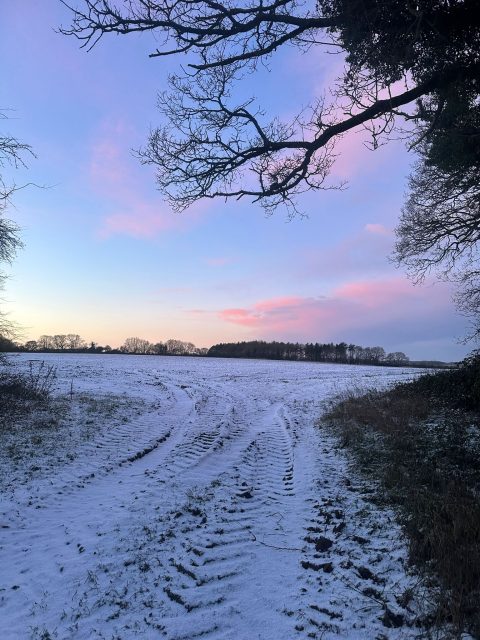
Poor visibility is one of the most immediate impacts of adverse weather. Fog, heavy rain, snow, and long winter nights reduce the effectiveness of traditional CCTV systems that rely on visible light. Shadows, glare, and moisture on lenses can all compromise image quality, making it harder to identify suspicious activity.

These conditions provide increased cover for intruders, particularly around perimeter fencing, loading bays, and poorly lit access points. Without appropriate detection measures, unauthorised access can go unnoticed until damage or disruption has already occurred.

Weather-resistant technologies and layered security approaches are essential to ensure detection remains effective regardless of conditions.

Increased Pressure on Physical Barriers

Weather places constant strain on physical security infrastructure. High winds can damage fencing, gates, and signage. Heavy rain can cause ground erosion, creating gaps beneath fences. Freezing temperatures may affect locks, hinges, and electronic access systems, while prolonged heat can warp materials and weaken fixings.

If routine inspections are delayed due to weather or staffing pressures, small issues can quickly become exploitable weaknesses. Industrial sites with large boundaries are particularly vulnerable if maintenance is reactive rather than preventative.

Regular perimeter checks and prompt repairs are critical, especially following severe weather events.

Impact on Security Personnel

Weather does not just affect sites, it affects people. Security officers working outdoors in cold, wet, or windy conditions experience increased fatigue and discomfort. In extreme heat, concentration and reaction times can also decline.

If working conditions are not managed properly, motivation and alertness can suffer, increasing the risk of missed incidents or delayed responses. Poor weather can also discourage thorough patrols if routes are uncomfortable or unsafe to complete.

Supporting officers with appropriate equipment, clear patrol structures, and realistic workloads is essential to maintaining standards in challenging conditions.

Changes in Behaviour and Risk Patterns

Weather influences behaviour, both legitimate and malicious. Poor weather often reduces foot traffic around industrial estates, lowering natural surveillance and increasing opportunities for unauthorised activity. Extended darkness during winter months creates longer periods of cover for intruders.

Conversely, extreme weather can also create disruption inside sites. Delayed deliveries, altered shift patterns, or temporary shutdowns may leave areas unattended or operating differently than usual. These changes can create new security gaps if not properly assessed.

Understanding how weather alters risk patterns allows security strategies to be adjusted proactively rather than reactively.

Technology Performance and Reliability

Electronic security systems are not immune to weather. Moisture can interfere with sensors, temperature extremes can affect battery life, and storms can disrupt power or connectivity. Systems that are not properly maintained or monitored may fail at the moment they are needed most.

Relying solely on technology without physical verification increases vulnerability. Systems must be supported by trained personnel who can assess alerts, confirm threats, and respond appropriately.

Integrating technologies such as thermal imaging, which detects heat rather than relying on visible light, can significantly improve reliability during poor weather and low visibility.

The Importance of Layered Security

The most resilient industrial security strategies account for weather by using a layered approach. Physical barriers, active patrols, detection technology, and clear response procedures work together to compensate for the weaknesses introduced by environmental conditions.

For example, when visibility is reduced, patrol frequency may need to increase. When weather damages infrastructure, temporary measures may be required until repairs are completed. When systems are affected, human oversight becomes even more important.

Layered security ensures that no single failure, whether caused by weather or otherwise, compromises the entire site.

Planning for Seasonal and Severe Weather

In the UK, seasonal weather patterns are predictable even if daily conditions are not. Winter brings longer nights, frost, and storms, while summer increasingly brings heatwaves and sudden heavy rainfall. Planning security strategies around these patterns reduces risk throughout the year.

Severe weather events should also trigger immediate post-event inspections and reassessments. Storm damage, flooding, or prolonged outages often create hidden vulnerabilities that are easy to miss under operational pressure.

Preparedness, rather than reaction, is key to maintaining control.

Adapting Security to the Environment

Weather is an unavoidable factor in industrial security, but its impact can be managed with the right approach. Sites that adapt their security measures to environmental conditions are far more resilient than those that rely on static solutions.

By recognising how weather affects visibility, infrastructure, personnel, and technology, organisations can take proactive steps to reduce risk and maintain effective protection throughout the year.

Industrial security in the UK must be flexible, responsive, and built with environmental realities in mind. When security strategies evolve alongside the weather, sites remain protected regardless of conditions.

Winter Staffing, Keeping Your Team Motivated

Winter is one of the most challenging periods of the year for staffing across many industries. Shorter days, colder weather, increased fatigue, and seasonal pressures all combine to affect morale, performance, and attendance. For businesses that rely on consistent staffing, particularly in security, logistics, industrial operations, and customer-facing roles, winter can quietly erode standards if motivation is not actively managed.

While winter staffing challenges are often accepted as inevitable, they do not have to be. Organisations that take a proactive approach to motivation, communication, and support are far more likely to maintain performance, reduce absenteeism, and retain experienced staff throughout the most demanding months of the year.

Why Winter Impacts Motivation

Winter places both physical and mental strain on employees. Dark mornings and early nights disrupt routines and energy levels. Cold conditions make outdoor or mobile work more demanding. Illness rates tend to rise, and workloads can increase as teams cover absences or operate with reduced staffing.

At the same time, motivation can suffer when employees feel disconnected, underappreciated, or overstretched. In many organisations, winter is treated as a period to get through rather than one to manage strategically. This mindset often leads to disengagement, higher error rates, and increased staff turnover.

Consistency and Structure Matter More in Winter

During the winter months, consistency becomes critical. Clear schedules, predictable routines, and well-defined responsibilities help employees manage fatigue and maintain focus. When expectations are unclear or constantly changing, stress levels increase and motivation declines.

Providing structure does not mean inflexibility. Where possible, allowing small adjustments to shift patterns, break times, or task rotation can make a significant difference. Even modest flexibility signals that an organisation understands the realities of winter working conditions.

Visibility and Leadership Presence

Motivation is strongly influenced by leadership visibility. In winter, when morale can dip, it is especially important that managers remain present, engaged, and approachable. Regular check-ins, whether formal or informal, help identify issues early and prevent small problems from becoming larger ones.

Employees are more likely to remain motivated when they feel supported rather than supervised. Taking the time to ask how teams are coping, acknowledging difficult conditions, and responding constructively to concerns reinforces trust and commitment.

Training as a Motivational Tool

Winter is often seen as a slow or difficult period, but it can also be an ideal time for development. Training provides a sense of progression and purpose, particularly when workloads fluctuate. Employees who are learning new skills or refreshing existing ones are more engaged and confident in their roles.

Ongoing training also reinforces standards at a time when complacency can creep in. Refresher sessions, scenario-based training, or short development workshops help maintain focus and professionalism, even during demanding conditions.

This is one of the reasons Norvic Guards is in the process of launching its own dedicated training centre. By providing structured, practical training throughout the year, including the winter months, we aim to support both motivation and performance. Training is not just about competence, it is about demonstrating to teams that their development is valued, regardless of the season.

Recognition and Communication

Recognition plays a vital role in motivation, particularly during periods of increased strain. Winter work often involves longer hours in difficult conditions, and those efforts should not go unnoticed. Recognition does not need to be elaborate. Clear feedback, appreciation for reliability, and acknowledgement of effort all contribute to stronger morale.

Communication is equally important. Keeping teams informed about plans, expectations, and upcoming changes reduces uncertainty and builds confidence. When employees understand how their work contributes to wider organisational goals, they are more likely to remain engaged.

Wellbeing and Practical Support

Supporting wellbeing during winter goes beyond formal policies. Practical considerations, such as appropriate clothing, access to warm facilities, and realistic workloads, have a direct impact on motivation. Addressing these factors demonstrates respect for employees and an understanding of the conditions they face.

Encouraging adequate rest, managing overtime responsibly, and promoting a healthy work-life balance are also essential. Burnout is more likely when winter pressures are combined with excessive workloads and limited recovery time.

Retention Through the Tough Months

One of the biggest risks during winter is losing experienced staff. When motivation drops, employees may begin to look elsewhere, particularly if they feel unsupported. Retaining skilled personnel through winter saves significant recruitment and onboarding costs later in the year.

Businesses that invest in their teams during winter often see improved loyalty and performance when conditions improve. Staff remember how they were treated during the most challenging periods.

Looking Beyond Winter

Winter does not have to be a period of decline. With the right approach, it can be a time to reinforce standards, strengthen teams, and prepare for the year ahead. Motivation is not accidental, it is the result of leadership, communication, and investment in people.

By prioritising support, training, and recognition during winter, organisations can maintain momentum and emerge stronger as conditions improve. Keeping your team motivated through winter is not just about surviving the season, it is about building resilience for the future.

Our Vision Alignment Session with Cog Media

Norvic Guards and Cog Media

At Norvic Guards, we believe strong partnerships are the foundation of long-term growth — and that starts with aligning visions. This week, we had the pleasure of sitting down with the talented team at Cog Media for a collaborative strategy session that marks the beginning of something exciting.

Whether you’re guarding a physical site or building a digital presence, the same principle applies: clarity, consistency, and communication. That’s exactly what this meeting was about.

A Shared Vision for Growth

As a growing security company in the UK, we’re not just looking to stand out — we’re looking to lead with purpose. Cog Media, with their deep expertise in branding, design, and digital experiences, brings the kind of strategic insight we’re proud to align with. During our meeting, we explored how to evolve the Norvic Guards online presence into something that reflects the strength, professionalism, and reliability we deliver every day on the ground.

From website performance and layout to logo clarity and service navigation, no stone was left unturned. Cog Media offered valuable advice on tightening our visual identity and using design to better communicate our values. This included ideas around font hierarchy, color palette reinforcement, and mobile responsiveness — all crucial in today’s fast-paced digital space.

Digital Strategy Meets Real-World Impact

What excited us most about this session was the focus on digital strategy, not just design. Cog Media understands that for businesses like ours, it’s not just about looking good — it’s about being found, being trusted, and converting visitors into clients.

We discussed ways to strengthen our SEO presence, enhance user experience, and create a seamless customer journey from first click to final handshake. Their approach to UX-focused design and clear content structure gave us a roadmap for future growth.

Collaboration at the Core

This wasn’t just a standard web meeting — it was a true meeting of minds. Both teams came ready to contribute, share insights, and build something meaningful. We’re firm believers that when creative experts and mission-driven businesses come together, the results speak for themselves.

We’re looking forward to implementing the ideas discussed and continuing to develop our partnership with Cog Media. Watch this space — exciting updates are coming soon.

What’s Next?

With Cog Media’s expertise guiding our next steps, Norvic Guards is investing in more than just digital upgrades — we’re investing in client confidence, brand strength, and a future-proof foundation.

We’ll be sharing progress as it unfolds, including sneak peeks into new features and service enhancements coming to our site.

👉 Check out Cog Media’s brilliant work here.

Stay tuned. The future is guarded — and it’s looking sharp.