
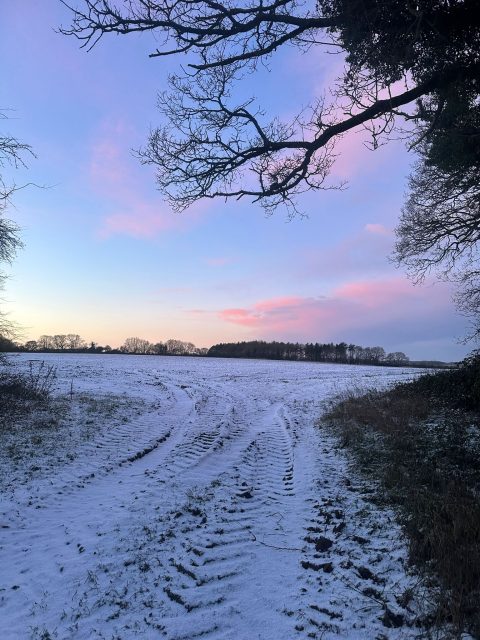
How Weather Impacts Industrial Security in the UK

Weather plays a far greater role in industrial security than many organisations realise. In the UK, where conditions can change rapidly and unpredictably, weather directly affects visibility, access control, staff performance, and the reliability of security systems. Rain, fog, wind, frost, heatwaves, and storms all introduce vulnerabilities that must be actively managed.

Industrial sites often operate around the clock, contain high-value assets, and cover large perimeters. When weather conditions deteriorate, these sites can become significantly more exposed if security measures are not adapted accordingly.

Reduced Visibility and Detection

Poor visibility is one of the most immediate impacts of adverse weather. Fog, heavy rain, snow, and long winter nights reduce the effectiveness of traditional CCTV systems that rely on visible light. Shadows, glare, and moisture on lenses can all compromise image quality, making it harder to identify suspicious activity.

These conditions provide increased cover for intruders, particularly around perimeter fencing, loading bays, and poorly lit access points. Without appropriate detection measures, unauthorised access can go unnoticed until damage or disruption has already occurred.

Weather-resistant technologies and layered security approaches are essential to ensure detection remains effective regardless of conditions.

Increased Pressure on Physical Barriers

Weather places constant strain on physical security infrastructure. High winds can damage fencing, gates, and signage. Heavy rain can cause ground erosion, creating gaps beneath fences. Freezing temperatures may affect locks, hinges, and electronic access systems, while prolonged heat can warp materials and weaken fixings.

If routine inspections are delayed due to weather or staffing pressures, small issues can quickly become exploitable weaknesses. Industrial sites with large boundaries are particularly vulnerable if maintenance is reactive rather than preventative.

Regular perimeter checks and prompt repairs are critical, especially following severe weather events.

Impact on Security Personnel

Weather does not just affect sites, it affects people. Security officers working outdoors in cold, wet, or windy conditions experience increased fatigue and discomfort. In extreme heat, concentration and reaction times can also decline.

If working conditions are not managed properly, motivation and alertness can suffer, increasing the risk of missed incidents or delayed responses. Poor weather can also discourage thorough patrols if routes are uncomfortable or unsafe to complete.

Supporting officers with appropriate equipment, clear patrol structures, and realistic workloads is essential to maintaining standards in challenging conditions.

Changes in Behaviour and Risk Patterns

Weather influences behaviour, both legitimate and malicious. Poor weather often reduces foot traffic around industrial estates, lowering natural surveillance and increasing opportunities for unauthorised activity. Extended darkness during winter months creates longer periods of cover for intruders.

Conversely, extreme weather can also create disruption inside sites. Delayed deliveries, altered shift patterns, or temporary shutdowns may leave areas unattended or operating differently than usual. These changes can create new security gaps if not properly assessed.

Understanding how weather alters risk patterns allows security strategies to be adjusted proactively rather than reactively.

Technology Performance and Reliability

Electronic security systems are not immune to weather. Moisture can interfere with sensors, temperature extremes can affect battery life, and storms can disrupt power or connectivity. Systems that are not properly maintained or monitored may fail at the moment they are needed most.

Relying solely on technology without physical verification increases vulnerability. Systems must be supported by trained personnel who can assess alerts, confirm threats, and respond appropriately.

Integrating technologies such as thermal imaging, which detects heat rather than relying on visible light, can significantly improve reliability during poor weather and low visibility.

The Importance of Layered Security

The most resilient industrial security strategies account for weather by using a layered approach. Physical barriers, active patrols, detection technology, and clear response procedures work together to compensate for the weaknesses introduced by environmental conditions.

For example, when visibility is reduced, patrol frequency may need to increase. When weather damages infrastructure, temporary measures may be required until repairs are completed. When systems are affected, human oversight becomes even more important.

Layered security ensures that no single failure, whether caused by weather or otherwise, compromises the entire site.

Planning for Seasonal and Severe Weather

In the UK, seasonal weather patterns are predictable even if daily conditions are not. Winter brings longer nights, frost, and storms, while summer increasingly brings heatwaves and sudden heavy rainfall. Planning security strategies around these patterns reduces risk throughout the year.

Severe weather events should also trigger immediate post-event inspections and reassessments. Storm damage, flooding, or prolonged outages often create hidden vulnerabilities that are easy to miss under operational pressure.

Preparedness, rather than reaction, is key to maintaining control.

Adapting Security to the Environment

Weather is an unavoidable factor in industrial security, but its impact can be managed with the right approach. Sites that adapt their security measures to environmental conditions are far more resilient than those that rely on static solutions.

By recognising how weather affects visibility, infrastructure, personnel, and technology, organisations can take proactive steps to reduce risk and maintain effective protection throughout the year.

Industrial security in the UK must be flexible, responsive, and built with environmental realities in mind. When security strategies evolve alongside the weather, sites remain protected regardless of conditions.

Winter Staffing, Keeping Your Team Motivated

Winter is one of the most challenging periods of the year for staffing across many industries. Shorter days, colder weather, increased fatigue, and seasonal pressures all combine to affect morale, performance, and attendance. For businesses that rely on consistent staffing, particularly in security, logistics, industrial operations, and customer-facing roles, winter can quietly erode standards if motivation is not actively managed.

While winter staffing challenges are often accepted as inevitable, they do not have to be. Organisations that take a proactive approach to motivation, communication, and support are far more likely to maintain performance, reduce absenteeism, and retain experienced staff throughout the most demanding months of the year.

Why Winter Impacts Motivation

Winter places both physical and mental strain on employees. Dark mornings and early nights disrupt routines and energy levels. Cold conditions make outdoor or mobile work more demanding. Illness rates tend to rise, and workloads can increase as teams cover absences or operate with reduced staffing.

At the same time, motivation can suffer when employees feel disconnected, underappreciated, or overstretched. In many organisations, winter is treated as a period to get through rather than one to manage strategically. This mindset often leads to disengagement, higher error rates, and increased staff turnover.

Consistency and Structure Matter More in Winter

During the winter months, consistency becomes critical. Clear schedules, predictable routines, and well-defined responsibilities help employees manage fatigue and maintain focus. When expectations are unclear or constantly changing, stress levels increase and motivation declines.

Providing structure does not mean inflexibility. Where possible, allowing small adjustments to shift patterns, break times, or task rotation can make a significant difference. Even modest flexibility signals that an organisation understands the realities of winter working conditions.

Visibility and Leadership Presence

Motivation is strongly influenced by leadership visibility. In winter, when morale can dip, it is especially important that managers remain present, engaged, and approachable. Regular check-ins, whether formal or informal, help identify issues early and prevent small problems from becoming larger ones.

Employees are more likely to remain motivated when they feel supported rather than supervised. Taking the time to ask how teams are coping, acknowledging difficult conditions, and responding constructively to concerns reinforces trust and commitment.

Training as a Motivational Tool

Winter is often seen as a slow or difficult period, but it can also be an ideal time for development. Training provides a sense of progression and purpose, particularly when workloads fluctuate. Employees who are learning new skills or refreshing existing ones are more engaged and confident in their roles.

Ongoing training also reinforces standards at a time when complacency can creep in. Refresher sessions, scenario-based training, or short development workshops help maintain focus and professionalism, even during demanding conditions.

This is one of the reasons Norvic Guards is in the process of launching its own dedicated training centre. By providing structured, practical training throughout the year, including the winter months, we aim to support both motivation and performance. Training is not just about competence, it is about demonstrating to teams that their development is valued, regardless of the season.

Recognition and Communication

Recognition plays a vital role in motivation, particularly during periods of increased strain. Winter work often involves longer hours in difficult conditions, and those efforts should not go unnoticed. Recognition does not need to be elaborate. Clear feedback, appreciation for reliability, and acknowledgement of effort all contribute to stronger morale.

Communication is equally important. Keeping teams informed about plans, expectations, and upcoming changes reduces uncertainty and builds confidence. When employees understand how their work contributes to wider organisational goals, they are more likely to remain engaged.

Wellbeing and Practical Support

Supporting wellbeing during winter goes beyond formal policies. Practical considerations, such as appropriate clothing, access to warm facilities, and realistic workloads, have a direct impact on motivation. Addressing these factors demonstrates respect for employees and an understanding of the conditions they face.

Encouraging adequate rest, managing overtime responsibly, and promoting a healthy work-life balance are also essential. Burnout is more likely when winter pressures are combined with excessive workloads and limited recovery time.

Retention Through the Tough Months

One of the biggest risks during winter is losing experienced staff. When motivation drops, employees may begin to look elsewhere, particularly if they feel unsupported. Retaining skilled personnel through winter saves significant recruitment and onboarding costs later in the year.

Businesses that invest in their teams during winter often see improved loyalty and performance when conditions improve. Staff remember how they were treated during the most challenging periods.

Looking Beyond Winter

Winter does not have to be a period of decline. With the right approach, it can be a time to reinforce standards, strengthen teams, and prepare for the year ahead. Motivation is not accidental, it is the result of leadership, communication, and investment in people.

By prioritising support, training, and recognition during winter, organisations can maintain momentum and emerge stronger as conditions improve. Keeping your team motivated through winter is not just about surviving the season, it is about building resilience for the future.

Activism, Risk, and Why Cutting Security Costs Always Backfires

In today’s operating environment, activism activity is no longer something only large corporations or controversial industries need to consider. It has become more organised, more mobile, and more opportunistic. Businesses of all sizes, industrial sites, logistics hubs, offices, events, and commercial premises, can find themselves affected with very little warning.

Modern activist groups are highly adaptable. They communicate quickly, share intelligence, and are often well prepared before taking action. This means that even organisations that believe they are low-profile or unlikely to attract attention can suddenly find themselves dealing with disruption, trespass, or reputational damage.

One of the most common mistakes organisations make when it comes to activist risk is assuming that security can be scaled back to save money, at least “until something happens”. Unfortunately, when it comes to activism, that approach almost always backfires. Activist activity does not wait for a convenient moment, and by the time an incident occurs, it is usually too late to address the weaknesses that allowed it to happen.

Activist Groups Look for Weakness, Not Size

Activist activity rarely starts with confrontation. It starts with observation. Groups assess sites over time, looking for predictable routines, limited staffing, weak access control, or minimal monitoring. They are far more likely to target a location that appears under-protected than one that is visibly well managed and professionally secured.

This is where cost-cutting becomes dangerous. Reducing guard numbers, limiting patrols, or relying solely on unmonitored systems creates gaps that are easy to exploit. These gaps may not be obvious internally, but to an external observer, they stand out quickly.

Once a site is identified as vulnerable, it can become a repeat target. Activist groups often share information, meaning a single weakness can attract ongoing attention rather than a one-off incident. What starts as a minor disruption can escalate into repeated activity if corrective action is not taken.

The Real Cost Is Never the Security Budget

When businesses try to save money by cutting security costs, the focus is usually on hourly rates or short-term budget reductions. What is often overlooked is the true cost of an incident once it occurs.

Activist disruptions can result in operational downtime, damage to property or infrastructure, safety risks to staff, contractors, and the public, and reputational damage that far outlasts the incident itself. In many cases, there are also increased insurance premiums, legal costs, or additional compliance scrutiny following an event.

At that stage, the conversation is no longer about saving money. It becomes about recovery, containment, and explaining to stakeholders why preventative measures were not in place. These costs are rarely planned for and almost always exceed what would have been spent on maintaining proper security in the first place.

Why Professional Security Makes a Difference

Effective security is not just about having a uniform on site. It is about planning, training, situational awareness, and the ability to respond appropriately under pressure.

Professional security teams understand how to identify early warning signs of activist activity, manage access points and control movement, and de-escalate situations before they become confrontational. They prioritise the safety of people first, assets second, and ensure that incidents are documented accurately for legal, insurance, and investigative purposes.

This level of capability does not come from cutting corners. It comes from investing in properly trained personnel, clear procedures, and layered security measures that work together. When security teams are trained and supported correctly, they are far more effective at preventing incidents rather than simply reacting to them.

Visibility Is a Deterrent

One of the most effective ways to reduce activist risk is visible, competent security. When a site clearly demonstrates that it is monitored, controlled, and professionally managed, it becomes far less attractive as a target.

Activist groups tend to avoid locations where access is controlled and enforced, security staff are alert and confident, monitoring is active rather than passive, and response plans are clearly in place and understood. In many cases, the presence of strong security is enough to prevent an incident from ever occurring.

Deterrence is often invisible in hindsight, but it is one of the most valuable outcomes of professional security.

Security as Risk Management, Not an Expense

The most resilient organisations treat security as part of their overall risk management strategy, not as a line item to be reduced. They understand that prevention is always more cost-effective than response, and that professionalism pays for itself the moment a potential incident is avoided.

In a climate where activist activity is unpredictable and fast-moving, assuming “it won’t happen to us” is one of the biggest risks a business can take.

Cutting security costs may look like a saving on paper, but in reality it often just delays the cost, until it arrives in a far more damaging form. Investing in the right security, at the right level, is not about fear. It is about responsibility, continuity, and protecting what matters most.

How Thermal Imaging Improves Night-Time Security

When darkness falls, traditional security measures often become far less effective. Standard CCTV systems rely on visible light, meaning their performance can be compromised by poor lighting, shadows, weather conditions, or deliberate attempts to avoid detection. For many sites, this creates blind spots during the hours when risk is actually at its highest. This is where thermal imaging significantly improves night-time security.

Thermal imaging cameras do not rely on visible light. Instead, they detect heat signatures emitted by people, vehicles, and equipment. Because all living beings and operating machinery produce heat, thermal cameras can identify movement and presence even in complete darkness. No ambient lighting is required, and visibility remains consistent regardless of environmental conditions.

Early Detection at the Perimeter

One of the most important advantages of thermal imaging is its ability to detect threats early, particularly at site perimeters. Intruders rarely appear directly at buildings. They approach slowly, often attempting to stay hidden in shadows, behind foliage, or along poorly lit boundaries.

Thermal imaging highlights these movements instantly by showing clear contrast between heat sources and their surroundings. This allows security teams to identify potential threats before they reach sensitive areas. Early detection creates more response options, from monitoring and assessment to intervention, reducing the likelihood of escalation.

Effective in Low Visibility Conditions

Night-time security is not affected by darkness alone. Fog, rain, smoke, and poor weather can all degrade the performance of traditional CCTV systems. Thermal imaging is largely unaffected by these conditions because it does not depend on reflected light.

By detecting heat rather than visual detail, thermal cameras continue to perform reliably in challenging environments. This makes them particularly effective for outdoor sites, large open areas, and locations with limited or inconsistent lighting. Security coverage remains consistent regardless of weather or time of day.

Reducing False Alarms and Unnecessary Call-Outs

False alarms are a common issue with standard motion-based systems. Moving shadows, animals, insects, or changes in lighting conditions can all trigger alerts that require investigation. Over time, frequent false alarms reduce efficiency and can lead to delayed responses when genuine incidents occur.

Thermal imaging helps reduce this problem by focusing on heat signatures rather than movement alone. Security teams can more easily distinguish between a person, an animal, or environmental movement. This improves decision-making and ensures that responses are proportionate, timely, and accurate.

Improved Safety for Security Officers

Thermal imaging does not just protect sites; it also improves safety for the security officers working on them. Identifying individuals from a distance allows officers to assess situations before approaching, reducing the risk of unexpected encounters.

This is particularly important on large industrial sites, rural locations, or areas with limited visibility where officers may otherwise be walking into unknown situations. Enhanced situational awareness supports safer patrols and more controlled responses.

Clear Evidence and Professional Reporting

Thermal cameras provide valuable recorded evidence that can support incident reporting, investigations, and insurance claims. Clear thermal footage helps document events accurately, showing when activity occurred, where it happened, and how it developed.

This level of documentation is especially important for commercial and industrial environments where compliance, accountability, and post-incident review are essential. Accurate reporting supports transparency and informed decision-making.

Suitable for a Wide Range of Environments

Thermal imaging is particularly effective for sites such as:

  • Industrial and manufacturing facilities

  • Warehouses and logistics hubs

  • Construction sites

  • Agricultural and rural properties

  • Creative venues and large open spaces

Any location that relies on perimeter protection or experiences limited visibility at night can benefit from the additional layer of detection thermal imaging provides.

Technology Works Best with Trained Professionals

While thermal imaging is a powerful tool, it is most effective when combined with trained security personnel. Interpreting thermal images correctly requires experience and situational awareness. Professional security officers understand how to assess what they are seeing, identify genuine risks, and respond appropriately.

When integrated into a wider security strategy that includes trained staff, clear procedures, and active monitoring, thermal imaging becomes part of a proactive approach rather than a reactive one.

A Smarter Approach to Night-Time Security

Thermal imaging enhances security by improving visibility when traditional systems struggle most. It supports early detection, reduces false alarms, improves officer safety, and provides reliable evidence when incidents occur.

For organisations looking to strengthen their night-time security, thermal imaging offers a smarter, more reliable solution that addresses the real challenges of operating after dark.