In today’s operating environment, activism activity is no longer something only large corporations or controversial industries need to consider. It has become more organised, more mobile, and more opportunistic. Businesses of all sizes, industrial sites, logistics hubs, offices, events, and commercial premises, can find themselves affected with very little warning.
Modern activist groups are highly adaptable. They communicate quickly, share intelligence, and are often well prepared before taking action. This means that even organisations that believe they are low-profile or unlikely to attract attention can suddenly find themselves dealing with disruption, trespass, or reputational damage.
One of the most common mistakes organisations make when it comes to activist risk is assuming that security can be scaled back to save money, at least “until something happens”. Unfortunately, when it comes to activism, that approach almost always backfires. Activist activity does not wait for a convenient moment, and by the time an incident occurs, it is usually too late to address the weaknesses that allowed it to happen.
Activist Groups Look for Weakness, Not Size
Activist activity rarely starts with confrontation. It starts with observation. Groups assess sites over time, looking for predictable routines, limited staffing, weak access control, or minimal monitoring. They are far more likely to target a location that appears under-protected than one that is visibly well managed and professionally secured.
This is where cost-cutting becomes dangerous. Reducing guard numbers, limiting patrols, or relying solely on unmonitored systems creates gaps that are easy to exploit. These gaps may not be obvious internally, but to an external observer, they stand out quickly.
Once a site is identified as vulnerable, it can become a repeat target. Activist groups often share information, meaning a single weakness can attract ongoing attention rather than a one-off incident. What starts as a minor disruption can escalate into repeated activity if corrective action is not taken.
The Real Cost Is Never the Security Budget
When businesses try to save money by cutting security costs, the focus is usually on hourly rates or short-term budget reductions. What is often overlooked is the true cost of an incident once it occurs.
Activist disruptions can result in operational downtime, damage to property or infrastructure, safety risks to staff, contractors, and the public, and reputational damage that far outlasts the incident itself. In many cases, there are also increased insurance premiums, legal costs, or additional compliance scrutiny following an event.
At that stage, the conversation is no longer about saving money. It becomes about recovery, containment, and explaining to stakeholders why preventative measures were not in place. These costs are rarely planned for and almost always exceed what would have been spent on maintaining proper security in the first place.
Why Professional Security Makes a Difference
Effective security is not just about having a uniform on site. It is about planning, training, situational awareness, and the ability to respond appropriately under pressure.
Professional security teams understand how to identify early warning signs of activist activity, manage access points and control movement, and de-escalate situations before they become confrontational. They prioritise the safety of people first, assets second, and ensure that incidents are documented accurately for legal, insurance, and investigative purposes.
This level of capability does not come from cutting corners. It comes from investing in properly trained personnel, clear procedures, and layered security measures that work together. When security teams are trained and supported correctly, they are far more effective at preventing incidents rather than simply reacting to them.
Visibility Is a Deterrent
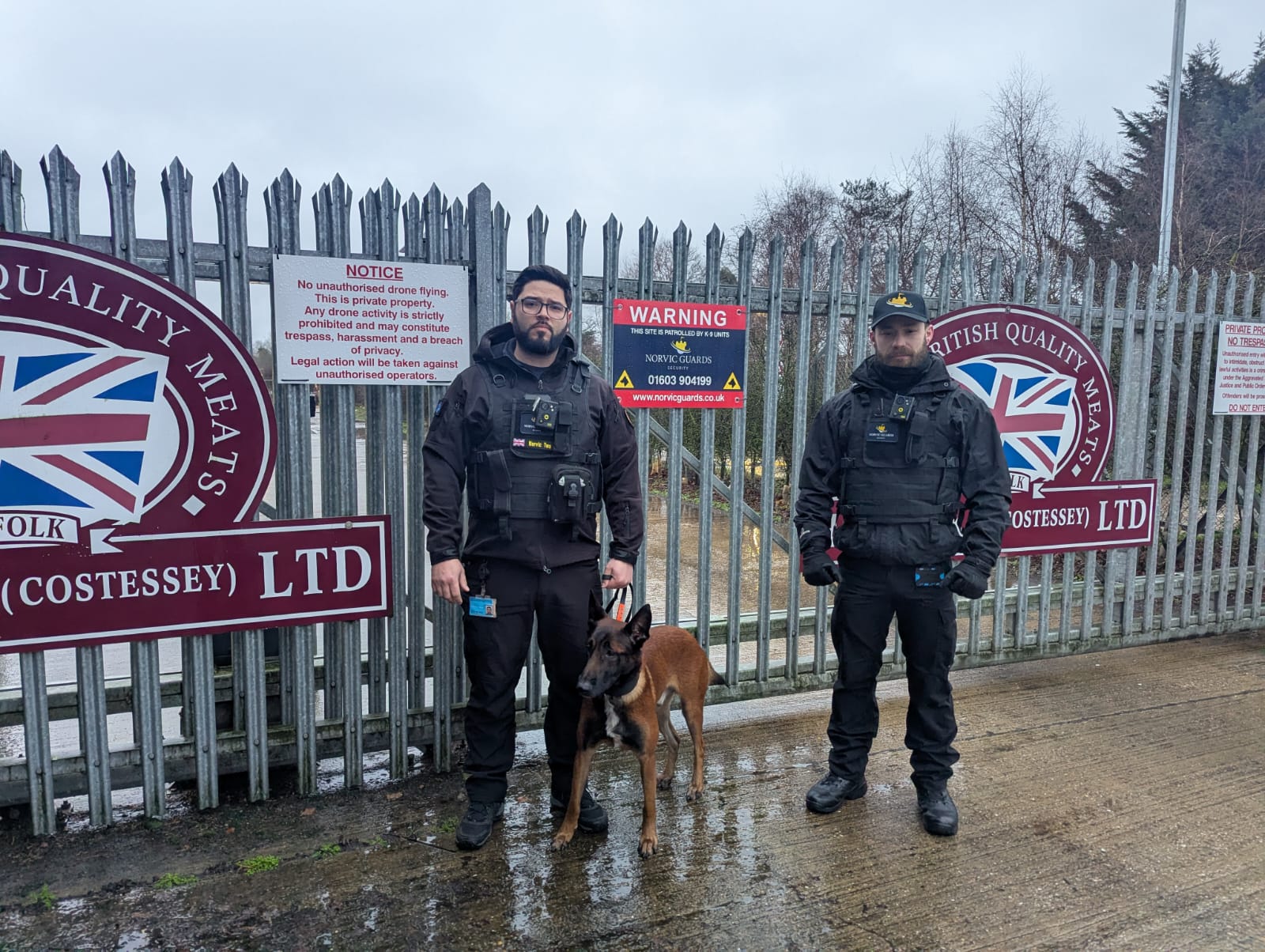
One of the most effective ways to reduce activist risk is visible, competent security. When a site clearly demonstrates that it is monitored, controlled, and professionally managed, it becomes far less attractive as a target.
Activist groups tend to avoid locations where access is controlled and enforced, security staff are alert and confident, monitoring is active rather than passive, and response plans are clearly in place and understood. In many cases, the presence of strong security is enough to prevent an incident from ever occurring.
Deterrence is often invisible in hindsight, but it is one of the most valuable outcomes of professional security.
Security as Risk Management, Not an Expense
The most resilient organisations treat security as part of their overall risk management strategy, not as a line item to be reduced. They understand that prevention is always more cost-effective than response, and that professionalism pays for itself the moment a potential incident is avoided.
In a climate where activist activity is unpredictable and fast-moving, assuming “it won’t happen to us” is one of the biggest risks a business can take.
Cutting security costs may look like a saving on paper, but in reality it often just delays the cost, until it arrives in a far more damaging form. Investing in the right security, at the right level, is not about fear. It is about responsibility, continuity, and protecting what matters most.