Winter brings a unique set of security challenges that many industrial sites underestimate. Colder weather, shorter days, and seasonal operational changes all combine to create conditions where theft, trespass, and unauthorised access are more likely to occur. While many organisations focus on internal processes during the winter months, it is often the perimeter of a site that becomes most vulnerable.
A strong perimeter is the first line of defence for any industrial location. During winter, that line needs to work harder than at any other time of year.
How Winter Increases Security Risk
As daylight hours shorten, darkness falls earlier and lasts longer. This extended cover of darkness provides greater opportunity for intruders to approach sites unnoticed, particularly in areas with limited lighting or large boundary lines. Poor weather conditions such as fog, rain, frost, and snow further reduce visibility, making traditional visual monitoring less effective.
Winter also tends to bring reduced foot traffic around industrial estates, especially during evenings and overnight hours. Fewer people nearby means fewer natural witnesses, lowering the likelihood that suspicious activity will be noticed and reported.
Seasonal staffing changes can also increase risk. Temporary or seasonal workers may not be fully familiar with site layouts, access protocols, or reporting procedures. At the same time, regular staff may be stretched across holiday cover or reduced shifts, leaving gaps in oversight.
Finally, equipment maintenance is often delayed during colder months. Lighting failures, damaged fencing, or malfunctioning access points may take longer to address due to weather conditions or competing operational priorities. These small issues can quickly become exploitable weaknesses.
The Perimeter as the Primary Target
Most security incidents do not begin inside buildings. They begin at the perimeter. Intruders test boundaries, observe routines, and look for predictable patterns or poorly secured access points. In winter, when visibility is reduced and patrols are sometimes scaled back, these vulnerabilities become easier to exploit.
A weak perimeter can allow unauthorised access long before an intrusion is detected internally. Once someone has breached the boundary, response options become more limited and risks increase for people, assets, and operations.
Why Strong Perimeter Protection Matters
Effective perimeter protection is about more than physical barriers. It is a layered approach that combines visibility, detection, deterrence, and response. In winter, this layered approach becomes essential.
Strategic patrols ensure that boundary areas are actively monitored rather than passively observed. Regular movement along perimeter routes disrupts predictability and makes sites far less attractive to opportunistic offenders.
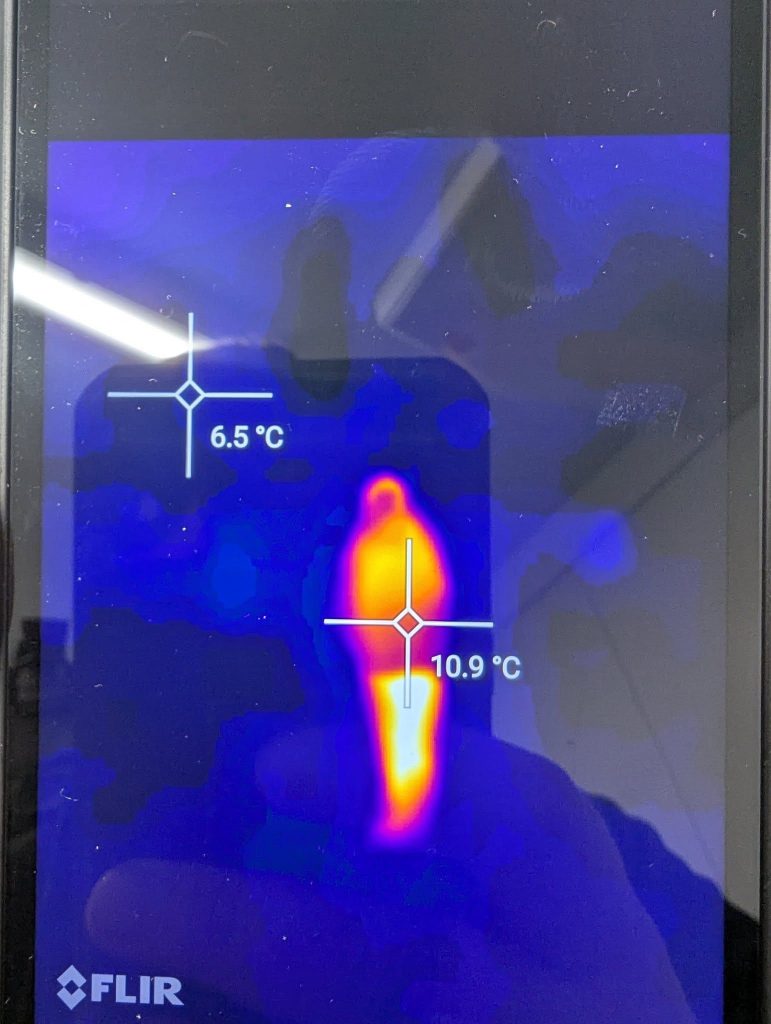
Enhanced monitoring systems, including CCTV and thermal imaging, provide consistent coverage when lighting and weather conditions would otherwise limit visibility. Thermal imaging is particularly valuable during winter, as it detects heat signatures rather than relying on visible light, allowing movement to be identified even in darkness, fog, or poor weather.
Access control reviews are another critical element. Gates, barriers, and entry points that function adequately in summer may become unreliable in winter due to freezing, wear, or reduced supervision. Reviewing and reinforcing access controls helps prevent unauthorised entry and ensures that legitimate movement is properly managed.
Clear incident response protocols complete the perimeter security picture. When potential breaches are identified early, trained security personnel can respond quickly and proportionately, preventing escalation and minimising disruption.
Reducing Risk Through Visibility and Deterrence
One of the most effective aspects of strong perimeter security is deterrence. Sites that are visibly monitored, well-lit, and actively patrolled are far less likely to be targeted. In winter, when conditions already favour concealment, visible security presence sends a clear message that a site is managed, monitored, and protected.
Deterrence often prevents incidents from occurring at all. This is a benefit that is rarely seen in reports but has a significant impact on overall risk reduction.
Protecting Operations, People, and Assets
Industrial sites often contain high-value equipment, materials, and infrastructure. They may also operate around the clock, with lone workers, night shifts, or automated processes continuing after hours. A perimeter breach during winter can put staff at risk, disrupt operations, and lead to costly downtime.
Stronger perimeter protection helps safeguard not just physical assets, but operational continuity and workforce safety. It allows businesses to maintain control over their environments even when external conditions are working against them.
A Seasonal Approach to Security
Security should not be static. Just as operations adapt to seasonal demands, security strategies should evolve with changing risk profiles. Winter is a period where perimeter protection deserves increased focus, not reduced attention.
By strengthening boundaries, improving monitoring, and maintaining active oversight throughout the colder months, industrial sites can significantly reduce their exposure to winter-specific security risks.
Preparing for the Months Ahead
Winter does not have to be a period of increased vulnerability. With the right perimeter measures in place, industrial sites can remain secure, controlled, and resilient regardless of conditions. Strong perimeter protection ensures that security remains proactive rather than reactive, even during the most challenging months of the year.