When darkness falls, traditional security measures often become far less effective. Standard CCTV systems rely on visible light, meaning their performance can be compromised by poor lighting, shadows, weather conditions, or deliberate attempts to avoid detection. For many sites, this creates blind spots during the hours when risk is actually at its highest. This is where thermal imaging significantly improves night-time security.
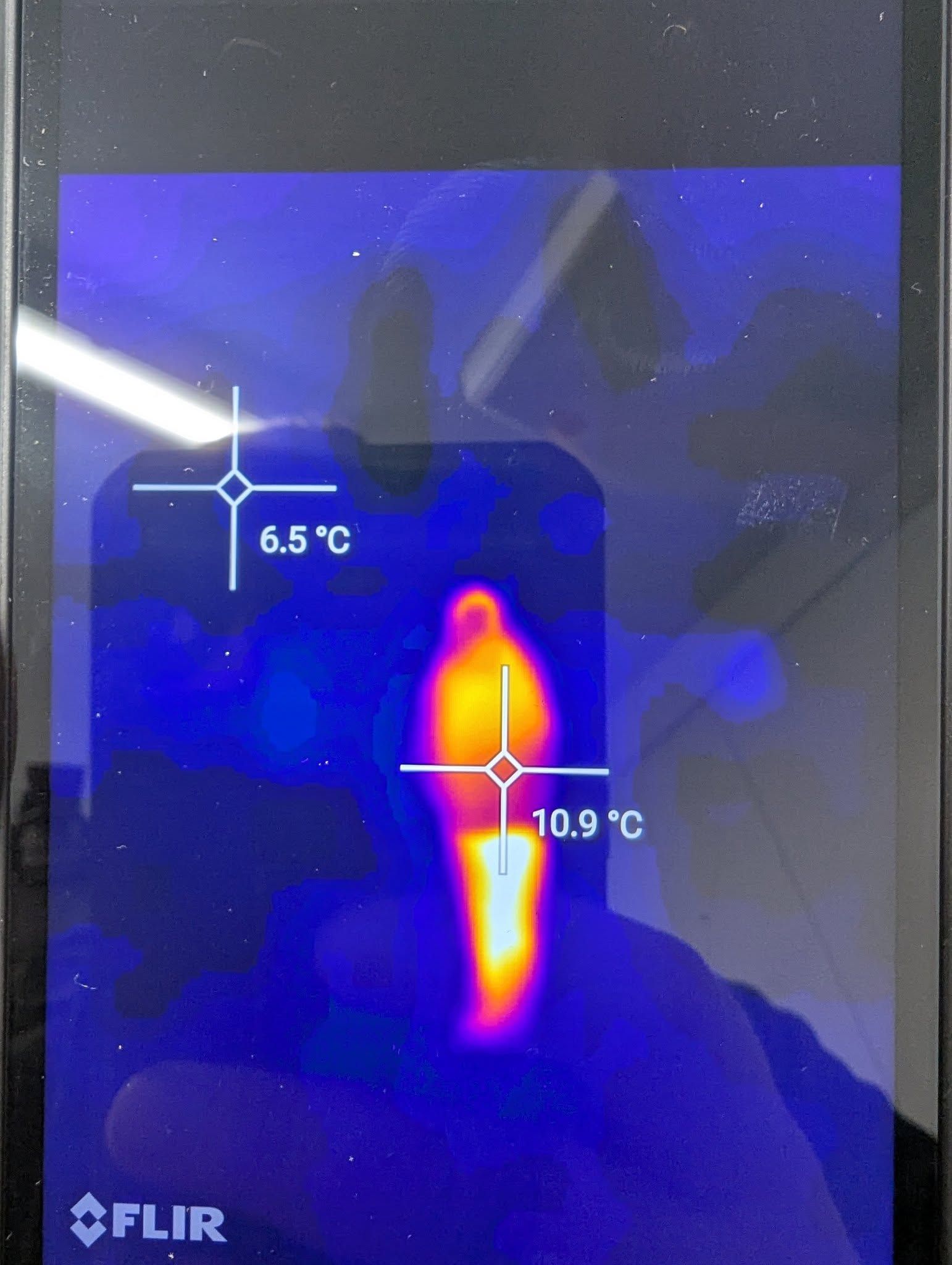
Thermal imaging cameras do not rely on visible light. Instead, they detect heat signatures emitted by people, vehicles, and equipment. Because all living beings and operating machinery produce heat, thermal cameras can identify movement and presence even in complete darkness. No ambient lighting is required, and visibility remains consistent regardless of environmental conditions.
Early Detection at the Perimeter
One of the most important advantages of thermal imaging is its ability to detect threats early, particularly at site perimeters. Intruders rarely appear directly at buildings. They approach slowly, often attempting to stay hidden in shadows, behind foliage, or along poorly lit boundaries.
Thermal imaging highlights these movements instantly by showing clear contrast between heat sources and their surroundings. This allows security teams to identify potential threats before they reach sensitive areas. Early detection creates more response options, from monitoring and assessment to intervention, reducing the likelihood of escalation.
Effective in Low Visibility Conditions
Night-time security is not affected by darkness alone. Fog, rain, smoke, and poor weather can all degrade the performance of traditional CCTV systems. Thermal imaging is largely unaffected by these conditions because it does not depend on reflected light.
By detecting heat rather than visual detail, thermal cameras continue to perform reliably in challenging environments. This makes them particularly effective for outdoor sites, large open areas, and locations with limited or inconsistent lighting. Security coverage remains consistent regardless of weather or time of day.
Reducing False Alarms and Unnecessary Call-Outs
False alarms are a common issue with standard motion-based systems. Moving shadows, animals, insects, or changes in lighting conditions can all trigger alerts that require investigation. Over time, frequent false alarms reduce efficiency and can lead to delayed responses when genuine incidents occur.
Thermal imaging helps reduce this problem by focusing on heat signatures rather than movement alone. Security teams can more easily distinguish between a person, an animal, or environmental movement. This improves decision-making and ensures that responses are proportionate, timely, and accurate.
Improved Safety for Security Officers
Thermal imaging does not just protect sites; it also improves safety for the security officers working on them. Identifying individuals from a distance allows officers to assess situations before approaching, reducing the risk of unexpected encounters.
This is particularly important on large industrial sites, rural locations, or areas with limited visibility where officers may otherwise be walking into unknown situations. Enhanced situational awareness supports safer patrols and more controlled responses.
Clear Evidence and Professional Reporting
Thermal cameras provide valuable recorded evidence that can support incident reporting, investigations, and insurance claims. Clear thermal footage helps document events accurately, showing when activity occurred, where it happened, and how it developed.
This level of documentation is especially important for commercial and industrial environments where compliance, accountability, and post-incident review are essential. Accurate reporting supports transparency and informed decision-making.
Suitable for a Wide Range of Environments
Thermal imaging is particularly effective for sites such as:
-
Industrial and manufacturing facilities
-
Warehouses and logistics hubs
-
Construction sites
-
Agricultural and rural properties
-
Creative venues and large open spaces
Any location that relies on perimeter protection or experiences limited visibility at night can benefit from the additional layer of detection thermal imaging provides.
Technology Works Best with Trained Professionals
While thermal imaging is a powerful tool, it is most effective when combined with trained security personnel. Interpreting thermal images correctly requires experience and situational awareness. Professional security officers understand how to assess what they are seeing, identify genuine risks, and respond appropriately.
When integrated into a wider security strategy that includes trained staff, clear procedures, and active monitoring, thermal imaging becomes part of a proactive approach rather than a reactive one.
A Smarter Approach to Night-Time Security
Thermal imaging enhances security by improving visibility when traditional systems struggle most. It supports early detection, reduces false alarms, improves officer safety, and provides reliable evidence when incidents occur.
For organisations looking to strengthen their night-time security, thermal imaging offers a smarter, more reliable solution that addresses the real challenges of operating after dark.